Universal Gravitation
Every mass attracts every other mass with a force proportional to their masses and inversely proportional to distance squared.
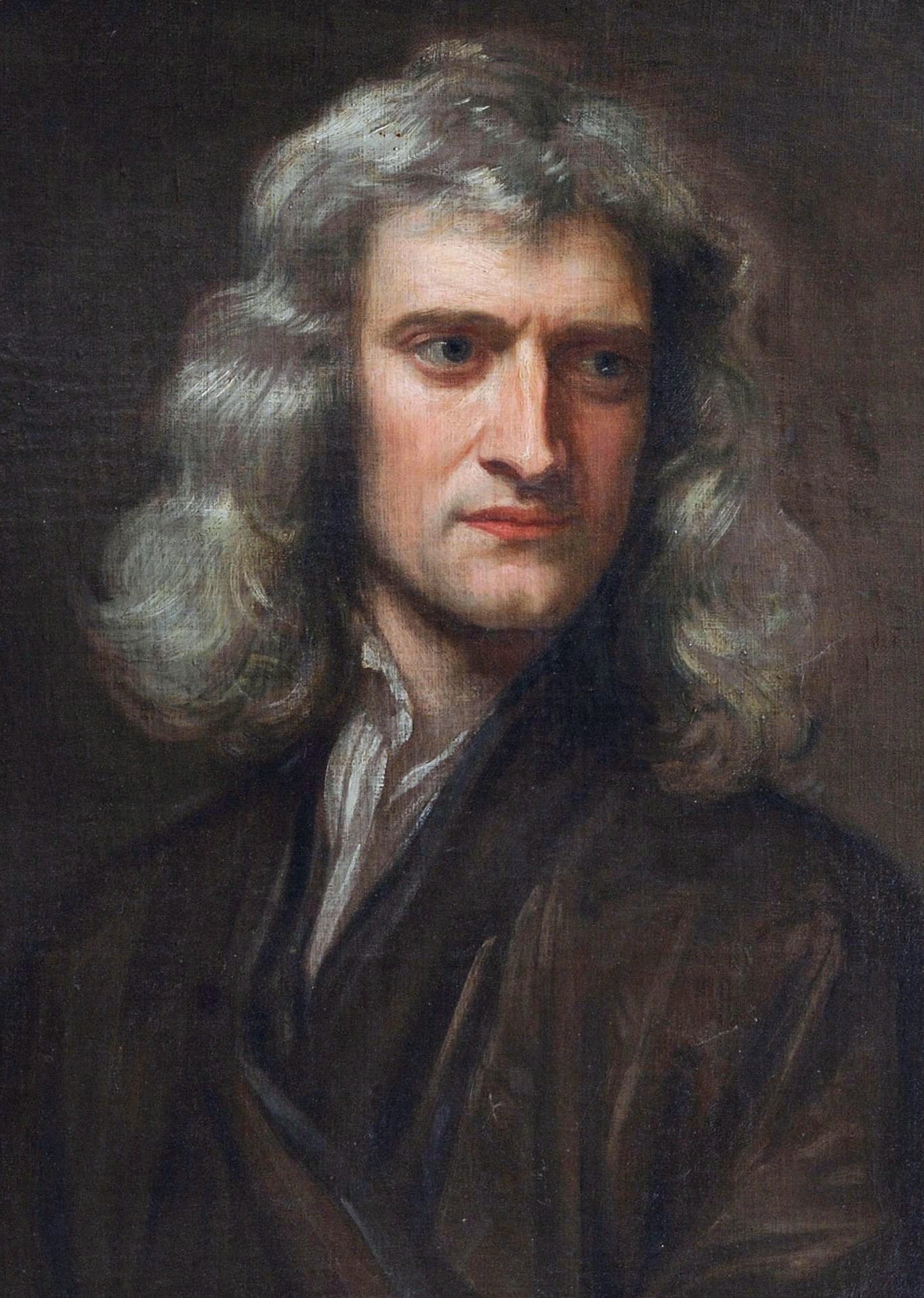
By Isaac Newton
Rabbit Hole Mode
Five doors into the universe behind this equation. Choose your path.
Discoverers: Isaac Newton (1687)
What does it mean?
Every mass attracts every other mass with a force proportional to their masses and inversely proportional to distance squared.
Why should I care?
Enabled celestial navigation, satellite orbits, and our understanding of the solar system.
Equation Compass
North — Prerequisites
West — History
East — Applications
South — Derivations
Variables & Units
| Symbol | Name | Unit | Meaning |
|---|---|---|---|
| Gravitational constant | — | 6.674×10⁻¹¹ N·m²/kg² | |
| Masses | kg | Gravitating bodies | |
| Distance | m | Separation between centers |
Worked Example
AI Guide (Pro)
Ask questions about equations and get answers grounded in the Equation Universe catalog.
Continue your trail
Pictures & video
Sources & further reading
Share this equation
Equation Universe
Universal Gravitation

Real-world impact
Space systems
Orbital mechanics enables global connectivity and exploration.
Photo: Unsplash — rocket launch
Every mass attracts every other mass with a force proportional to their masses and inversely proportional to distance squared.
equation-universe.vercel.app