Physical Sciences
Classical Mechanics
1687
BeginnerNewton's Second Law
Force equals mass times acceleration—the fundamental law of motion.
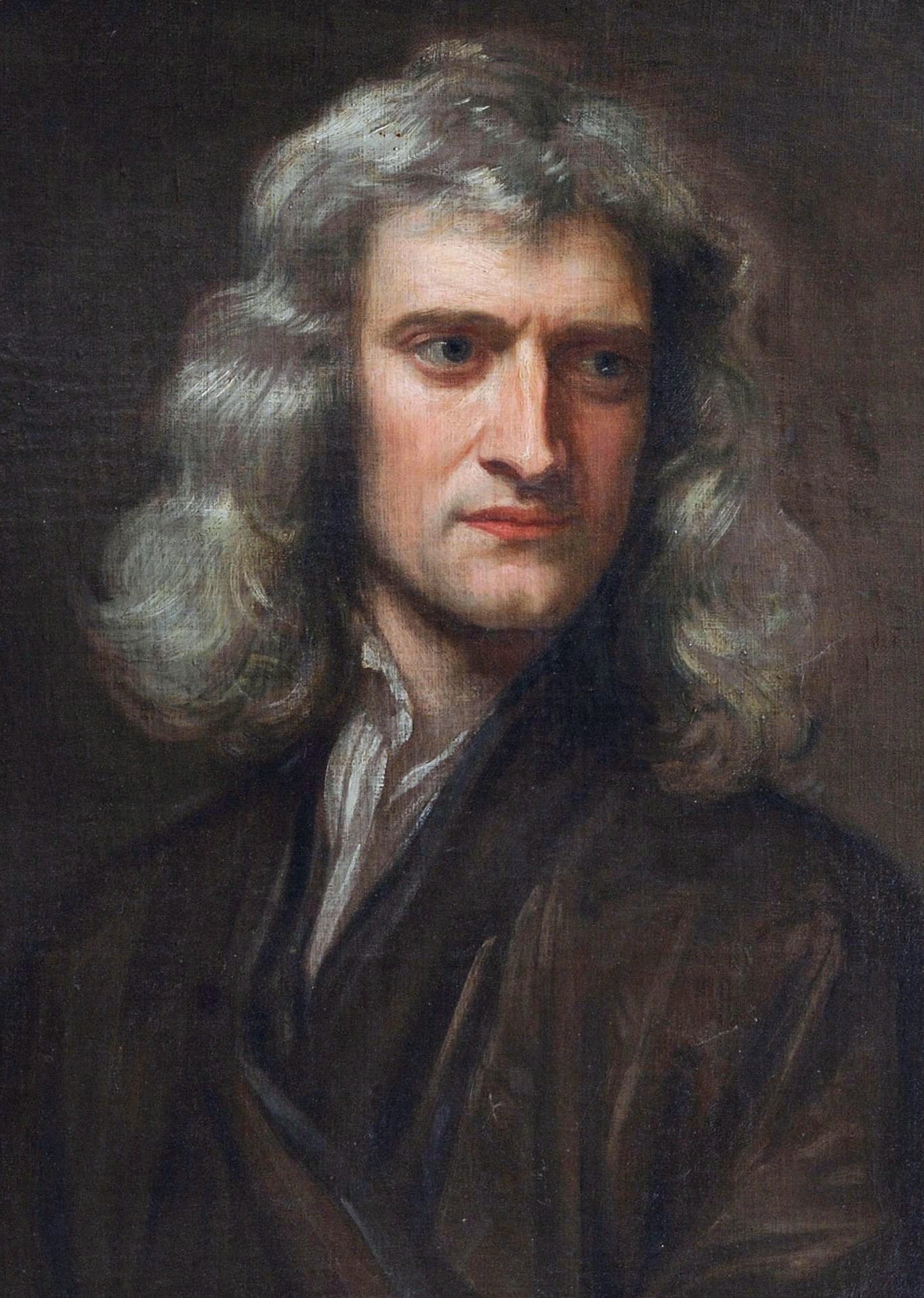
By Isaac Newton
Physical Sciences
Newton's Second Law
1687 · Isaac Newton
Classroom Ready
95%
Rabbit Hole Mode
Five doors into the universe behind this equation. Choose your path.
Story PortalWho discovered this?Discover how Isaac Newton and others shaped this equation.Visual PortalWhat does it look like?See the equation come alive in the Visual Studio.Machine PortalWhere is it used?Explore machines powered by this equation — cars and aircraft.Math PortalWhat does it derive from?Trace the mathematical lineage from Galileo's kinematics.Future PortalWhere is it going?Relativistic corrections at high speed
Why it matters: Enabled engineering, ballistics, spaceflight, and predictive physics.
Discoverers: Isaac Newton (1687)
What does it mean?
Force equals mass times acceleration—the fundamental law of motion.
Why should I care?
Enabled engineering, ballistics, spaceflight, and predictive physics.
Equation Compass
North — Prerequisites
West — History
East — Applications
South — Derivations
Variables & Units
| Symbol | Name | Unit | Meaning |
|---|---|---|---|
| Force | N | Net force applied | |
| Mass | kg | Object mass | |
| Acceleration | m/s² | Rate of velocity change |
Worked Example
A 10 kg object with 5 m/s² acceleration experiences F = 50 N.
AI Guide (Pro)
Ask questions about equations and get answers grounded in the Equation Universe catalog.
Continue your trail
Pictures & video
Sources & further reading
Share this equation
Equation Universe
Newton's Second Law

Real-world impact
Space systems
Orbital mechanics enables global connectivity and exploration.
Photo: Unsplash — rocket launch
Force equals mass times acceleration—the fundamental law of motion.
equation-universe.vercel.app