Mass-Energy Equivalence
Mass and energy are equivalent—a tiny amount of mass contains enormous energy.
By Albert Einstein
Rabbit Hole Mode
Five doors into the universe behind this equation. Choose your path.
Discoverers: Albert Einstein (1905)
What does it mean?
Mass and energy are equivalent—a tiny amount of mass contains enormous energy.
Why should I care?
Explained solar power, enabled nuclear energy, and transformed cosmology.
Equation Compass
North — Prerequisites
West — History
East — Applications
South — Derivations
Variables & Units
| Symbol | Name | Unit | Meaning |
|---|---|---|---|
| Energy | J | Total energy | |
| Mass | kg | Rest mass | |
| Speed of light | — | 299,792,458 m/s |
Worked Example
AI Guide (Pro)
Ask questions about equations and get answers grounded in the Equation Universe catalog.
Continue your trail
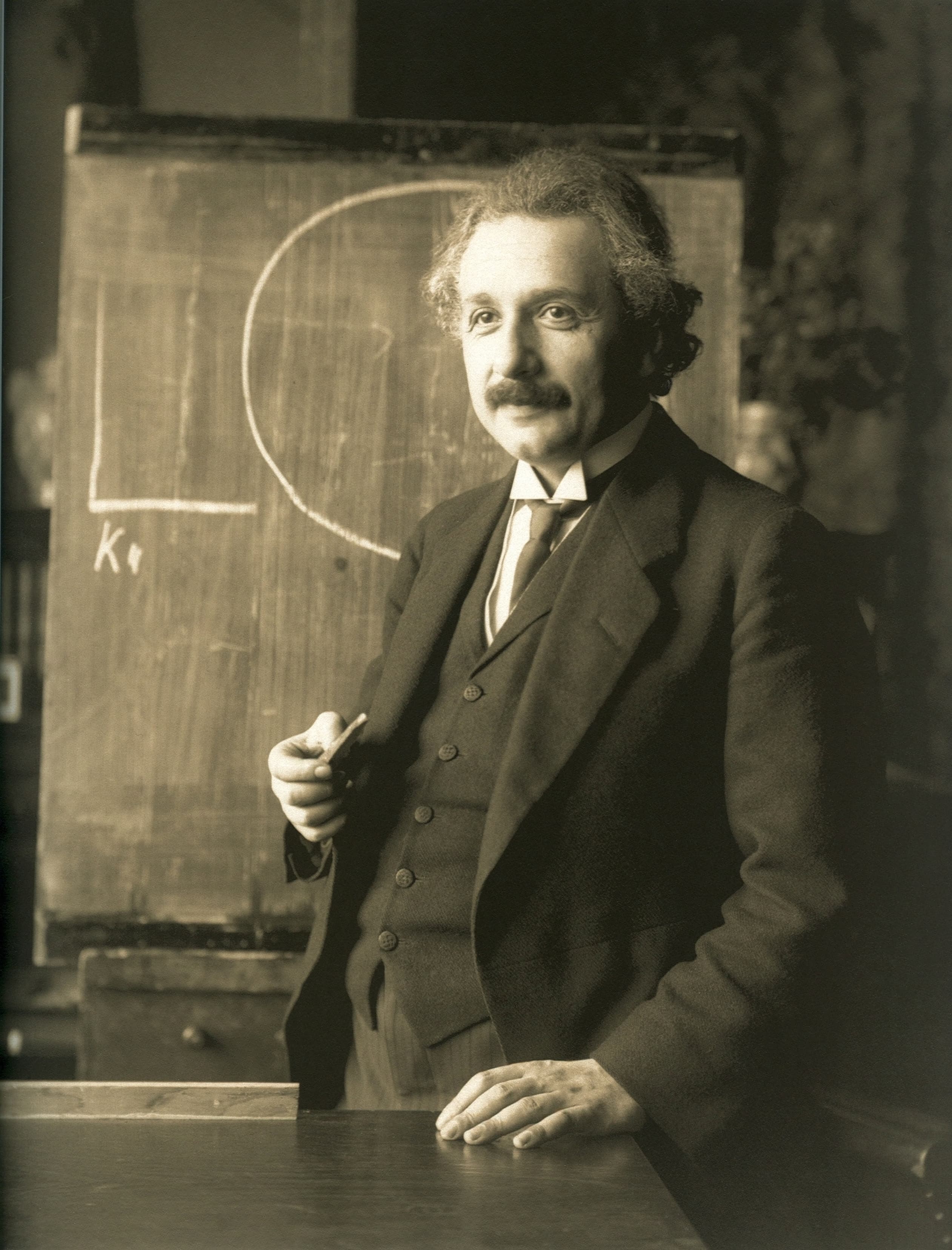
Pictures & video
Sources & further reading
Share this equation
Equation Universe
Mass-Energy Equivalence

Real-world impact
Cosmic exploration
Expansion equations guide modern astrophysics.
Photo: Unsplash — galaxies
Mass and energy are equivalent—a tiny amount of mass contains enormous energy.
equation-universe.vercel.app